The singer
Amália Rodrigues: the queen of fado
Who Amália Rodrigues was, why she is called the queen of fado, and which of her songs to hear before your first fado night in Lisbon.
Reserve a seat for fado ↗Quick answer
Amália Rodrigues (1920 to 1999) was a Lisbon-born fadista nicknamed Rainha do Fado, the queen of fado. She is credited with popularising fado worldwide and remains the best-selling Portuguese artist in recorded music. Her songs are the standard starting point for anyone new to the genre, and they put the Lisbon fado tradition in context.
Who she was
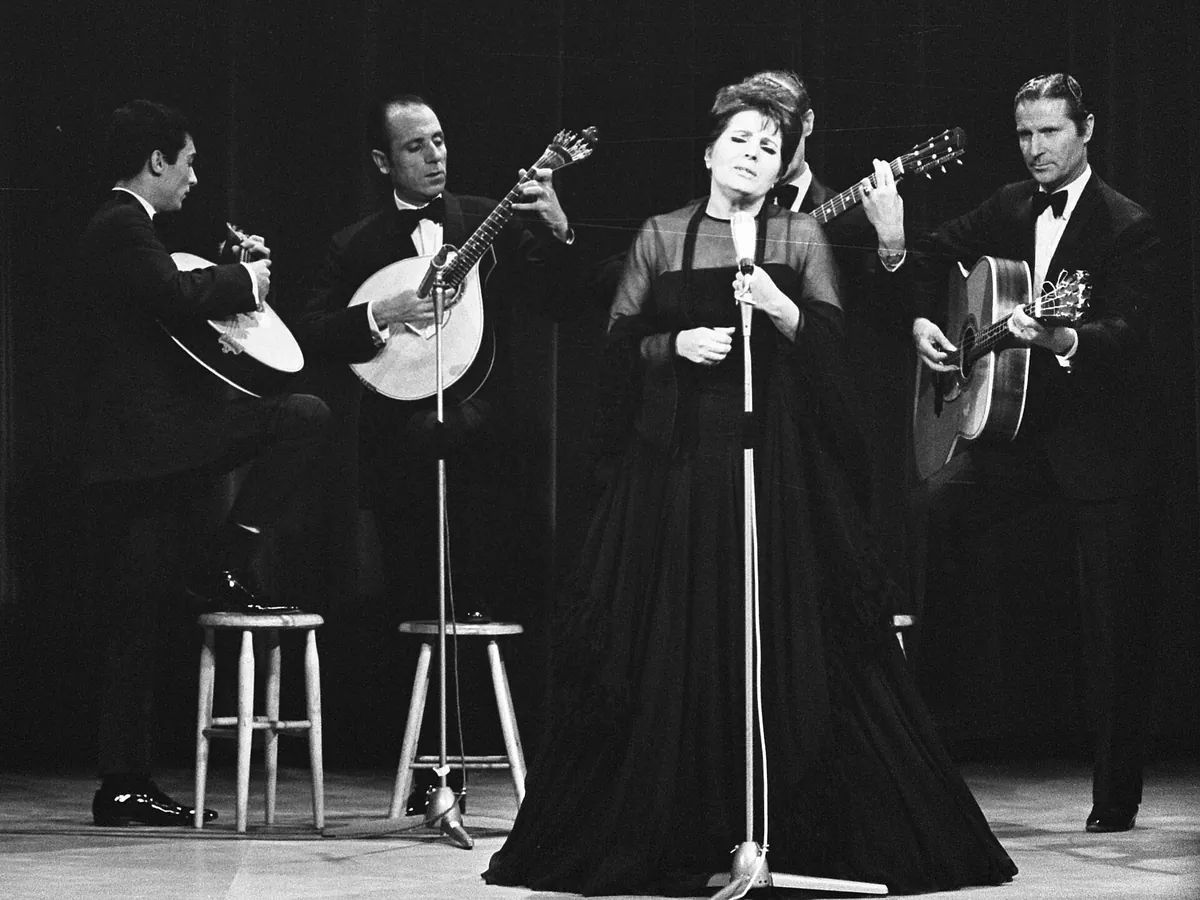
Amália da Piedade Rodrigues was a Portuguese fado singer born in Lisbon in 1920 who died there in 1999. Wikipedia notes that civil records give her birthday as 23 July, though she maintained it was 1 July. She was nicknamed the Rainha do Fado, the queen of fado, and was instrumental in popularising the genre worldwide. She travelled internationally throughout her career and is still the Portuguese artist who has sold more records than any other. A first-time listener will meet her name on posters, in museums and in conversation, so it helps to know who she was before the night begins.
How her career began
She began singing around 1935, and in 1939 she took her first professional booking at a fado venue, appearing as a guest in stage revues too. Around then she met Frederico Valério, a classically trained composer who recognised her potential and wrote many melodies for her. By the early 1940s she was a famous singer in Portugal. She began acting in 1946 and appeared in the film Fado in 1947, which Wikipedia calls her best-known movie.
Poets and new songs
In the early 1950s the poet David Mourão-Ferreira's involvement began a new phase in her career, with leading poets writing specifically for her. Lonely Planet adds that she was not afraid to blend styles, setting high-brow poems to music and experimenting with instruments from outside the genre, which brought backlash from fado purists. Her recordings from these years show a voice willing to take liberties with a form that others kept strict.
Taking fado abroad
Rodrigues travelled abroad for the first time in 1943. She gained popularity in Spain and Brazil and in Paris, where she lived for a time. In 1950, while performing at the Marshall Plan international benefit shows, she introduced the song April in Portugal to international audiences under its original title, Coimbra. Lonely Planet writes that, from the 1950s until she died, she was the most internationally famous Portuguese fadista.
Her early years
Wikipedia records that Rodrigues was born in Pena, a parish of Lisbon, and that her father came from the Castelo Branco district in central Portugal and her mother from the parish of Fundão in the same district. She grew up in poverty. Her singing began around 1935, and a few years later she was working in a fado venue. The contrast between that modest start and her later international fame is part of the story that every Portuguese listener knows.
Songs to start with
Wikipedia lists several melodies Valério composed for her: Fado do Ciúme, Ai Mouraria, Que Deus Me Perdoe and Não Sei Porque Te Foste Embora. Lonely Planet recommends any fados by Amália as the point of departure for newcomers. Start with one or two of these, read a translation of the words, and then play them again. You will hear what the guitarists are doing and how she shapes a phrase, which prepares you for a live show. Treat it as homework you will enjoy: a couple of songs are enough, and none of it is compulsory.
Where to hear more
The Museu do Fado in Alfama keeps an online archive of thousands of recordings from the early 1900s that you can search by singer or by song, and its homepage carries a line attributed to Amália about fado being felt. For a first live show, the Chiado theatre performance is a short way to hear the tradition she carried abroad.
Read next: Fado in Lisbon for first-timers
Frequently asked questions
Why is she called the queen of fado?
The nickname Rainha do Fado reflects her role in popularising fado worldwide. Wikipedia says she has sold more records than any other Portuguese artist.
Which song should I hear first?
Lonely Planet suggests any fado by Amália as a starting point. Ai Mouraria and Fado do Ciúme were among the melodies Frederico Valério composed for her in her early career.
Sources